If you need to reprogram a key fob that has stopped working, the good news is that many remotes have not failed at all. They have simply lost sync with the car, and on a lot of vehicles you can pair them again yourself in a few minutes with nothing more than the key, the ignition and the right button sequence.
This guide explains how to tell whether your fob really needs reprogramming, why fobs lose sync in the first place, the at-home methods that work on many cars, and when you need a locksmith or dealer instead. If your fob died right after a battery swap, start with our guide on whether you need to reprogram a key fob after changing the battery.
Get a dead-looking fob talking to your car again
A fob that suddenly ignores every button press has often just lost its pairing with the car, not broken.
Here is how to confirm that, the resync and onboard programming methods owners use at home, and what to do when the car needs a professional tool.
- Rule out the battery and the car first
- Why fobs lose sync
- Five at-home reprogramming methods
- When DIY will not work
- Costs and what to do if it still fails
The short answer
- Check the battery first A weak coin cell causes far more dead fobs than lost programming. Swap it before anything else.
- Try a simple resync Many cars relearn a fob after you press lock and unlock near the car or cycle the ignition with the key.
- Use the owner's manual routine Many older Ford, GM and Chrysler models have an onboard programming sequence you can do in minutes.
- Bring every fob Programming mode often erases fobs that are not taught in the same session.
- Smart keys usually need a tool Most push-button and many European keys need a locksmith or dealer scan tool.
Can you reprogram a key fob that has stopped working?
Often, yes. Whether you can reprogram a key fob yourself depends on two things: what kind of key you have and what your car's maker allows. Plenty of cars from the late 1990s through the 2010s have an onboard programming mode built into the body computer. You trigger it with a set pattern of key turns, door actions or button presses, and the car then listens for the remote. Newer cars, push-button smart keys and many European models lock that mode away behind a scan tool.
It also helps to know the difference between a resync and a full reprogram. A resync is a quick handshake that gets an already paired fob back in step with the car after it has lost sync. Reprogramming means putting the car into a learning mode so it stores the fob's identity again, the same way it would learn a brand-new remote. A resync takes seconds. Onboard programming takes a few minutes. Tool-based programming needs special equipment.
There is one more distinction that confuses many owners. The remote buttons (lock, unlock, trunk, panic) and the immobilizer chip that lets the engine start are separate systems on most cars. A fob can lose its remote pairing and still start the car perfectly, which is a strong sign that the remote side simply needs to be taught again. If the car will not start either, see our guide to why a key fob is not starting the car.
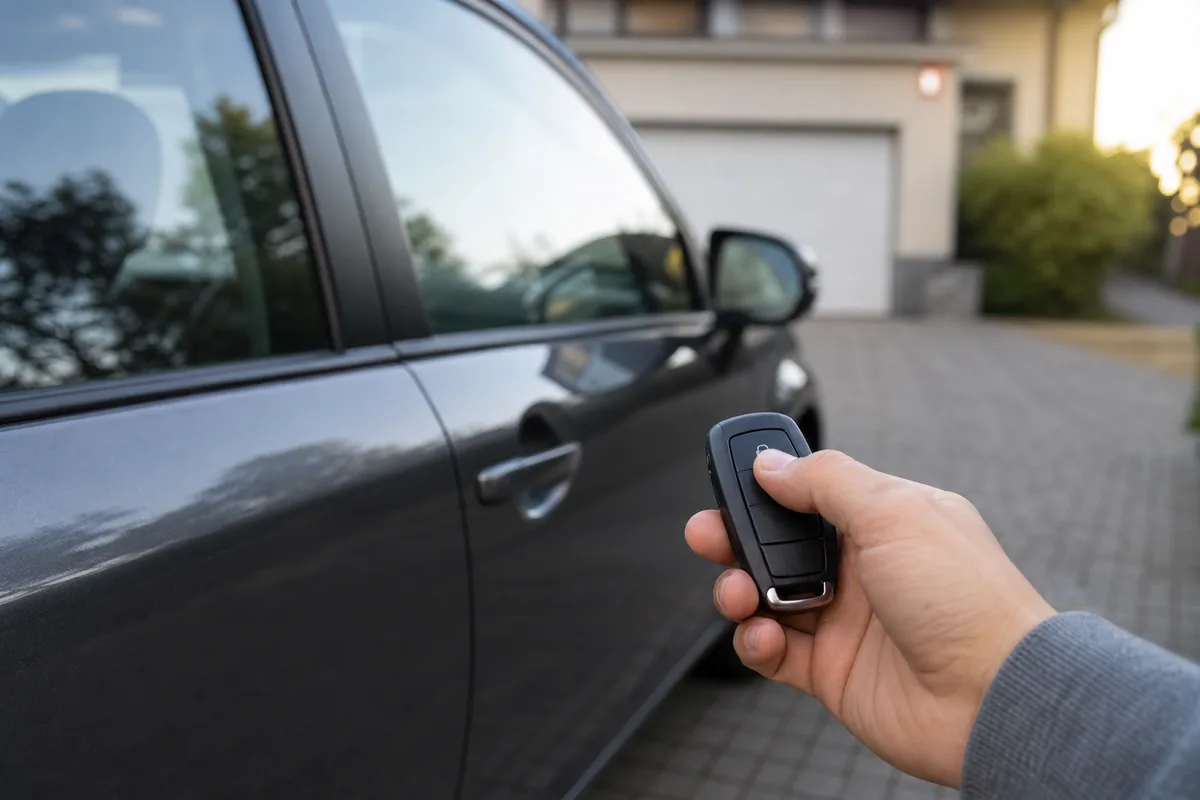
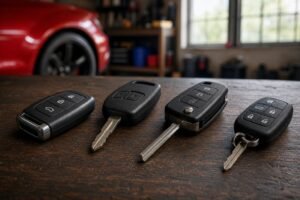
Before you reprogram a key fob, stand next to the car and test it: no response at close range points to the battery or lost pairing.
First, make sure the fob really needs reprogramming
Before you reprogram a key fob, spend five minutes ruling out the simpler faults. AAA Club Alliance lists four common key fob problems: a dead battery, a fob that needs reprogramming, a damaged transmitter or receiver, and water damage. Only one of those is fixed by programming, and the others can look exactly the same from the driver's seat.
Fit a fresh battery
Most fobs use a CR2032 or CR2025 coin cell, and some use smaller cells such as the CR1632 or CR1620, according to Jerry's guide to fobs that fail after a battery change. A cell can read close to 3 volts on a meter and still sag under load. Use a fresh, name-brand cell, fit it the right way up and check that the contacts are clean. Our step-by-step guide shows how to change a car key fob battery without damaging the case.
Test the spare fob
If you have a second fob, try it. If the spare works and the main one does not, the problem lives in that one fob: battery, contacts, buttons, board or lost sync. If neither fob works, the fault is more likely in the car, such as a weak 12-volt battery, a blown fuse, a failed receiver or a recent battery disconnect that wiped the stored remotes.
Check whether the fob is transmitting
Many fobs have a small LED that blinks when you press a button. No light at all after a battery change points to the fob itself. A light that flashes while the car ignores it points to lost pairing or a car-side fault. Some auto parts and battery stores have a simple remote tester, and the Car Doctor column on Boston.com suggests confirming the fob transmits before you start any programming routine. For more ways to diagnose the fob, read how to tell if your key fob is broken.
What the symptoms usually mean
Why a key fob loses sync with the car
Modern remotes use rolling codes. Each press sends a new code, and the car only accepts codes that fall inside a window just ahead of the last one it saw. That system stops thieves from recording and replaying your signal, but it also means the fob and car can drift apart. Here are the usual reasons a fob has lost sync.
Button presses out of range. If the fob is pressed many times while it is away from the car, for example in a pocket, a bag or a child's hands, its counter can run past the window the car will accept. Jerry lists pressing the buttons "too many times while out of range" as one of the main causes of a fob becoming deprogrammed.
A car battery disconnect or jump-start. On some vehicles the receiver forgets the fobs, or loses their counter position, when power is cut. A Corvette Forum thread on C5 keyless entry describes exactly this after a winter battery disconnect, and the fix was a resync rather than a full reprogram.
A battery change in the fob. Most fobs keep their pairing when the coin cell is swapped, but some older systems and a few brands need a resync afterwards. AAA notes that a fob may need to be re-paired with the receiver after a battery swap.
A drop or a knock. A hard knock can dislodge the battery for a moment or upset the electronics, and AAA mentions shocks and drops as a trigger for reprogramming.
Service work on the car. Replacing a body control module, receiver or certain other modules can wipe the stored remotes. The reader in the Boston.com column found both of his fobs dead right after his car had been in for service.
Age. Some cars simply seem to forget fobs more often as they get older. The same column mentions a Volkswagen that needed its fobs reprogrammed every year or so once it was around eight years old.
Knowing the cause helps you pick the fix. Out-of-range presses and battery disconnects usually respond to a quick resync. Module replacement normally means full onboard programming or a scan tool.
How to reprogram a key fob at home: 5 common methods
There is no single universal sequence, so check your owner's manual first. Many manuals include the routine in the keyless entry or locks section, and free programming charts collected by schools and parts makers list sequences by make, model and year. The methods below are the patterns most often used, so you can recognize which one your car follows.
Method 1: The quick resync near the car
This is the first thing to try when a fob has lost sync. Stand close to the car, ideally within a few feet, and press lock and unlock a few times. Some systems resync after a single press in range, while others need lock and unlock held together. On the C5 Corvette in the forum thread above, holding both buttons until the horn sounded brought the fob back, and the owner confirmed it worked. Repeat for each fob.
Method 2: Cycle the ignition with the key
This is the classic onboard programming routine on many older Ford, Lincoln and Mercury vehicles. 2CarPros describes it as turning the key from off to on eight times in quick succession, ending in on. The car signals that it has entered programming mode, usually by cycling the locks. You then press any button on each remote within a few seconds, and switch the ignition off to finish.
Method 3: Door lock and key in and out
Some cars use the door and ignition together. Jerry describes one common pattern: lock the door manually, then insert and remove the key six times within ten seconds. The lights flash to confirm programming mode, you turn the key to accessory, press a button on the fob, and the hazard lights flash when it has been learned.
Method 4: The lock-button and chime routine
Many Chrysler, Dodge and Jeep vehicles from the 2000s use a sequence built around an already working fob. The Boston.com column gives a typical example for a 2002 PT Cruiser: press lock five times at two-second intervals, turn the ignition to run until the chimes stop, hold unlock on the original fob for four to ten seconds, keep holding it and press panic until a chime confirms programming mode, then press a button on every fob and switch off. Note that this style needs one working fob to start.
Method 5: Push-button start sequences
A few push-button cars still allow onboard programming of the remote. J.D. Power describes one sequence used on some models: press the start button 15 times, no more than two seconds apart, with your foot off the brake, then press lock on the fob. If the doors lock, it worked. Treat this as an example, not a rule: on most smart-key cars this will do nothing, and the car will need a tool.
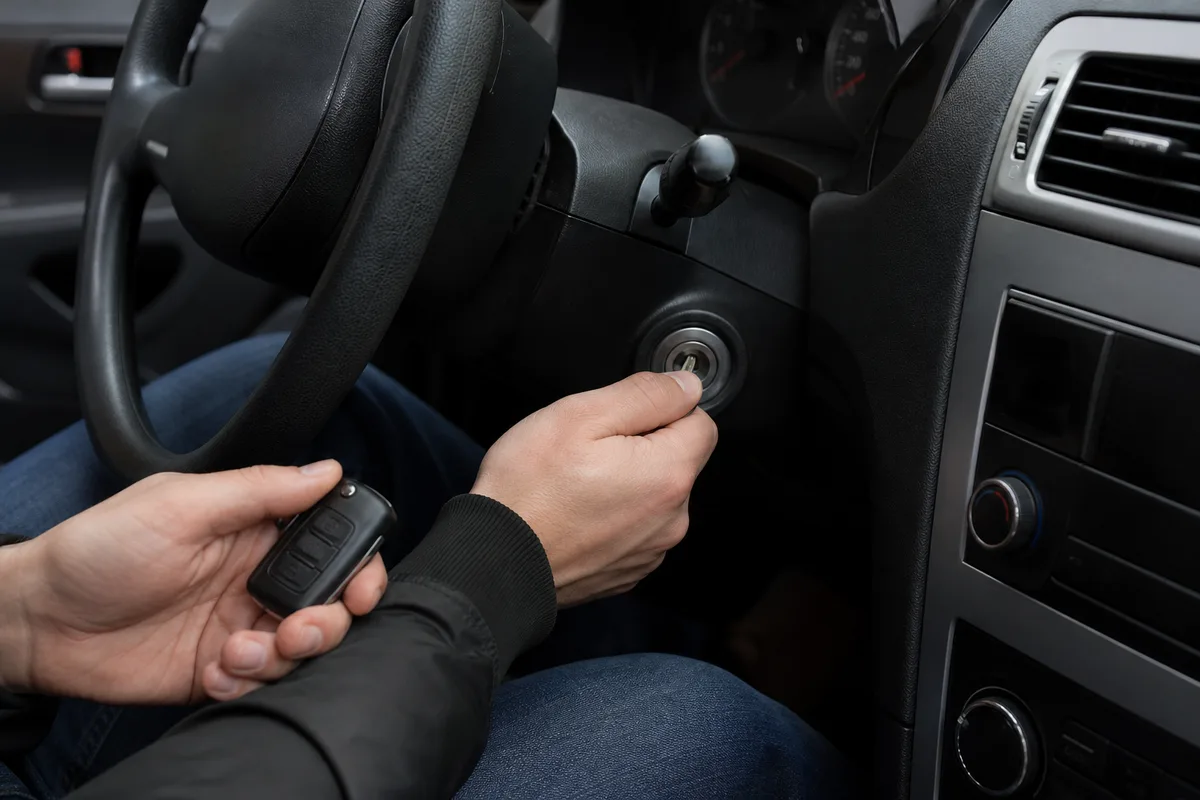
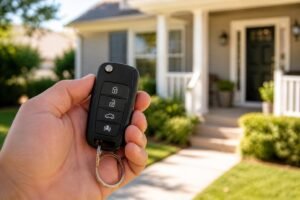
Onboard programming on many older cars is just a timed pattern of key turns, followed by a press on each remote.
How to reprogram a key fob that stopped working, step by step
-
Fit a fresh battery
Use a new name-brand coin cell, fitted the right way up, and clean the contacts.
-
Gather every fob
Bring all the remotes for the car. Programming mode often erases any fob you do not teach in the same session.
-
Find your car's routine
Look in the owner’s manual under keyless entry or locks, or search a programming chart for your make, model and year.
-
Try a quick resync
Stand next to the car and press lock and unlock, or hold both together. If it responds, you are done.
-
Run the onboard sequence
Close the doors, sit in the driver’s seat and follow the key-turn or button sequence exactly, keeping to the timing.
-
Teach each fob
When the car confirms programming mode, press a button on each fob within a few seconds and wait for the lock cycle or chime.
-
Exit and test
Switch the ignition off, step out and test lock, unlock and trunk on every fob from a few feet away.
Examples by car make
Procedures vary even within one brand, so always confirm the exact steps for your year. These examples show what to expect.
Ford, Lincoln and Mercury (key ignition). The eight-cycle ignition routine works on many models from the 1990s to the mid-2010s. Ford keypad codes are a separate system: 2CarPros notes that entering the factory code and setting a new one erases the earlier personal codes, and remotes must then be reprogrammed too. Ford push-button models normally need two working keys or a tool. Owners of UK Fords can see our guide to Ford keyless entry not working.
GM: Chevrolet, GMC, Buick and Cadillac. Many older GM vehicles have a remote relearn mode through the driver information center or a key-and-door routine, and our guide to programming a Chevy key fob covers it. The immobilizer side is different. GM's passlock relearn, described by 2CarPros and J.D. Power, needs the key in run for about ten minutes, then off, repeated three times. That teaches the chip, not the remote buttons.
Chrysler, Dodge, Jeep and Ram. Older models often use a working fob plus the lock, unlock and panic routine above. Newer ones usually need a scan tool.
Japanese makes. Some older Toyota, Honda, Nissan and Mazda remotes have door-and-ignition routines that can be done at home. Most current smart keys cannot.
European makes. Volkswagen Group cars often accept a short resync: press a button, then turn the key in the door or ignition within a short window. Vauxhall has its own resync routine, explained in our guide to resyncing a Vauxhall remote key. BMW, Mercedes-Benz and many luxury brands generally need dealer or advanced locksmith equipment, and J.D. Power notes that Mercedes uses proprietary technology that only a dealer can work with.
On many cars, entering onboard programming mode clears every remote the car knows. If you only teach the fob that stopped working, your spare may stop working too. Have all the fobs within reach before you start, and teach them one after another before you switch off.
When you can't reprogram a key fob yourself
Some cars simply do not let you reprogram a key fob without a tool, and no amount of key turning will change that. You will usually need a professional if any of these apply:
- Push-button smart keys. Most proximity keys must be registered to the car's immobilizer and keyless system through the diagnostic port.
- Many European and luxury cars. BMW, Mercedes-Benz, Audi, Porsche and similar brands generally need dealer software or advanced locksmith equipment.
- No onboard routine in the manual. If the manual says to see a dealer, the car almost certainly needs a scan tool.
- You have no working key. Several routines, including the Chrysler-style one above, need one working fob to start the process. Without it, the job moves to a tool, and if every key is gone see what to do if you lose your only car key.
- The car does not start either. If the immobilizer has also rejected the key, the chip needs programming, which is a tool job on most modern cars.
Plug-in OBD-II key programmers are sold for home use, and some replacement fobs come with their own programming kits. They can work well on supported vehicles, but check the compatibility list for your exact year before you buy. Our roundup of replacement key fobs you can program yourself covers which types are easiest.
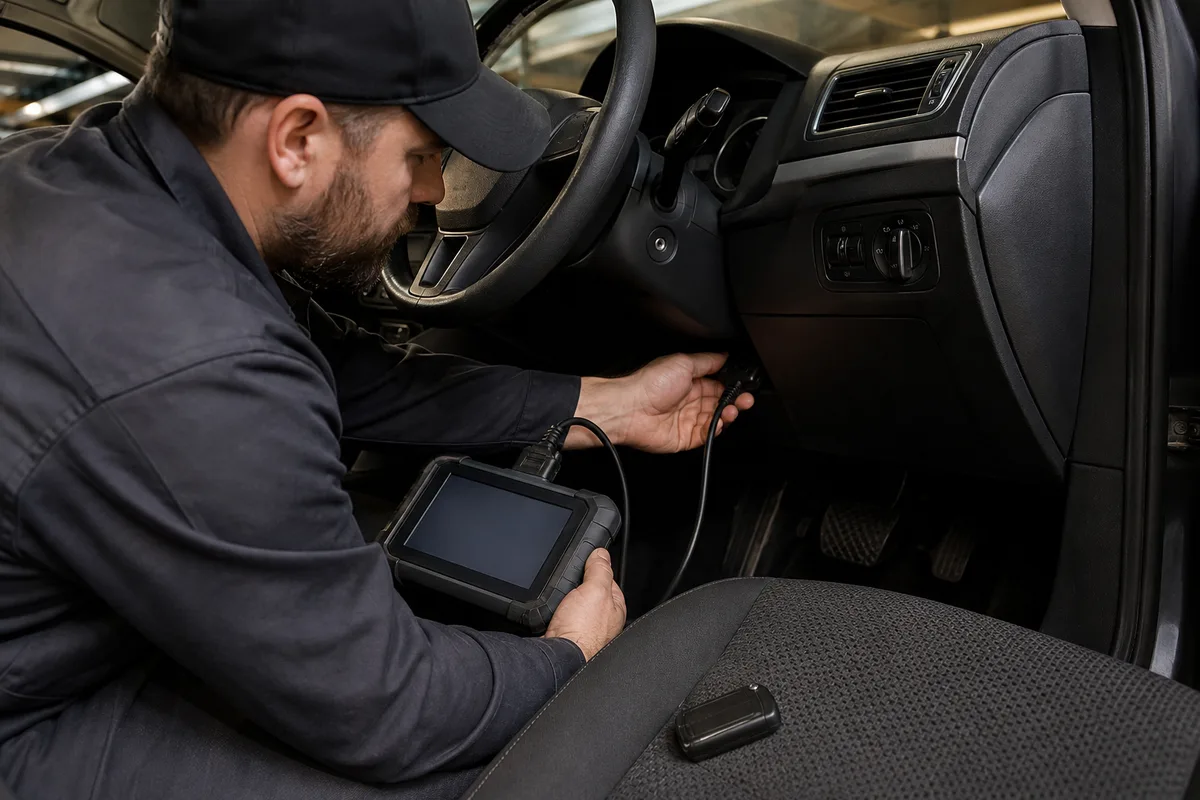
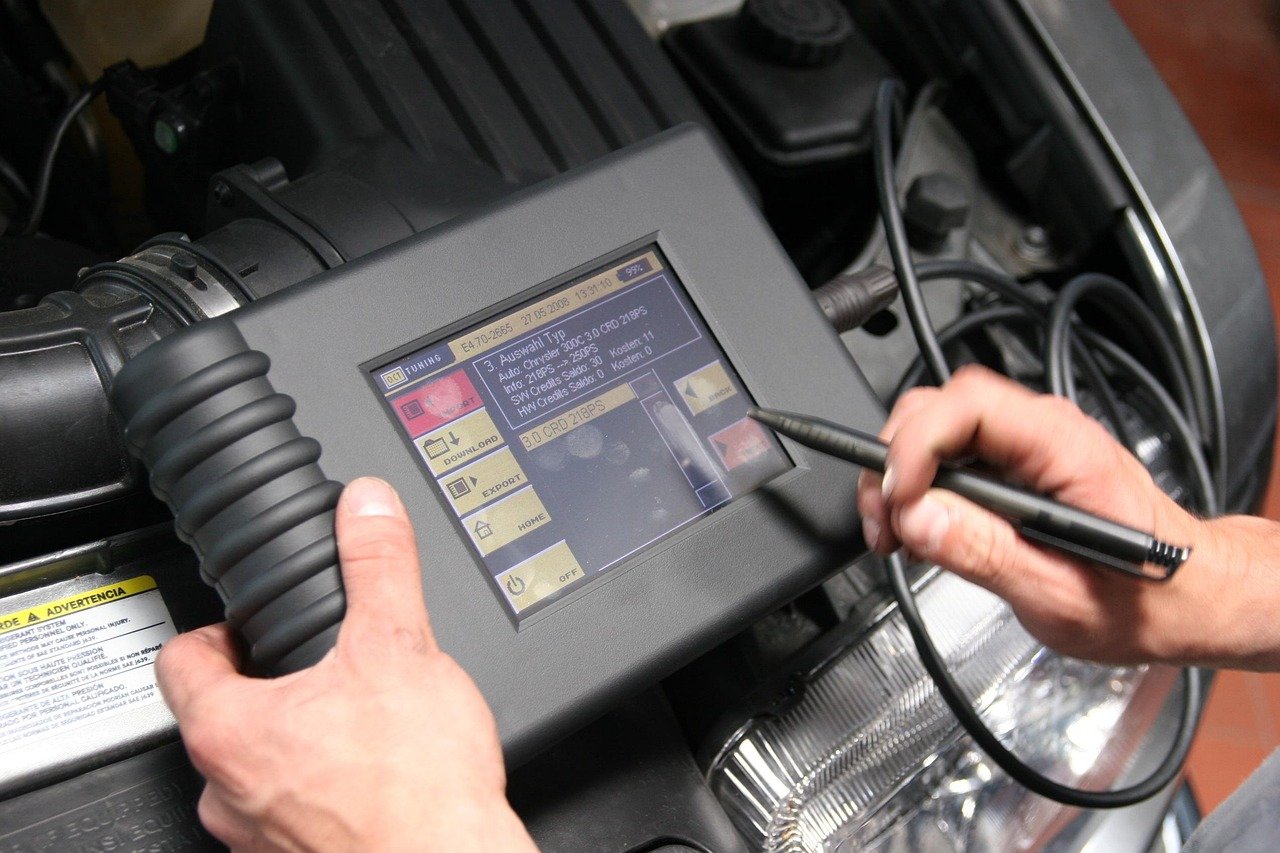
Smart keys and many newer cars need a professional tool plugged into the diagnostic port to reprogram a key fob.
What it costs to reprogram a key fob
If you can do it at home, onboard programming is free. If you need help, the price depends on who does it and how complex the key is.
AARP's guide to key fob repair and replacement puts programming at about $50 to $100 on top of the price of a fob, and quotes one mobile locksmith at about $150 to $250 to reprogram an existing fob, including the call-out. Dealers often charge a flat fee or bill part of an hour of labor. Smart keys and luxury brands cost the most.
A few ways to keep the bill down: ask a locksmith and a dealer for a single out-the-door price, bring every fob so you pay one fee, and ask whether the fee covers resyncing an existing fob or programming a new one. Our full breakdown of how much it costs to program a car key fob has typical prices by key type, and our replacement key fob cost guide covers buying a new one if the old fob is beyond saving.
If the fob still won't work after reprogramming
If you have fitted a fresh battery, tried a resync and run the onboard sequence correctly, and the fob still does nothing, it has probably not lost sync at all. AAA points out that a damaged transmitter or receiver can mimic a pairing problem, and that a mechanic should look at it when reprogramming does not help.
Check the battery contacts and solder joints. The small metal tabs that hold the coin cell can bend or crack away from the board, especially after a drop. Jerry notes that broken battery terminals can be fixed with solder.
Look at the buttons. Worn rubber pads and dirty contacts under the buttons can stop a press from registering, even though the LED may still flicker.
Look for water damage. Corrosion on the board, often green or white crust, is a common cause of a fob that cannot be programmed. Our guide to why a key fob only works sometimes covers moisture, contacts and interference in more detail.
Consider the car side. If no fob works and none will program, the receiver, a fuse, wiring or the body control module may be at fault. A weak 12-volt battery can also cause odd behavior during programming.
If the board is damaged, a replacement fob is usually the fix. Transferring the old electronics into a new shell only helps when the shell, not the board, is broken.
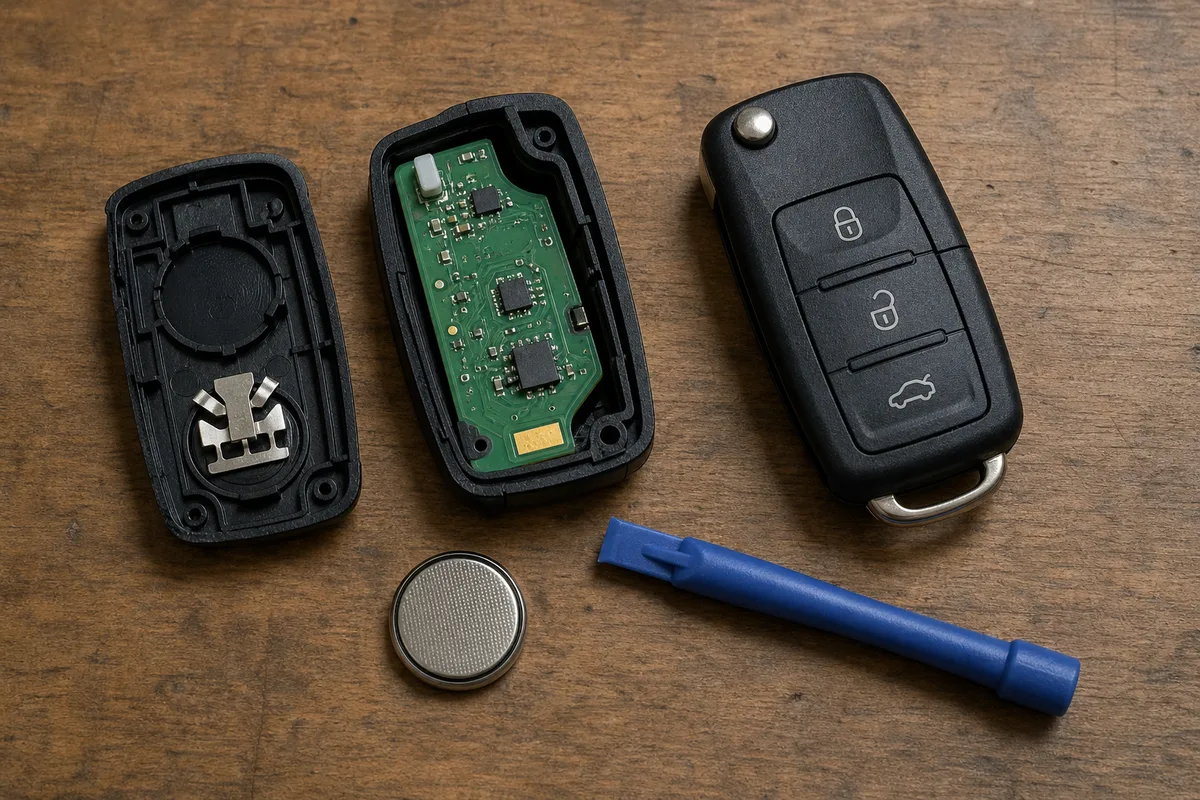
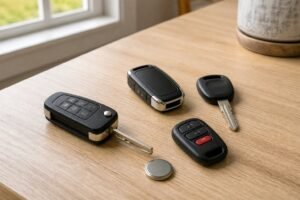
Opening the fob lets you check the battery contacts and board for damage when reprogramming does not bring it back.
Reprogramming a key fob: myths and facts
A weak battery or dirty contacts cause most dead fobs.
Always fit a fresh cell and test the spare before you program anything.
Many older cars have an onboard routine, and locksmiths can program most mainstream cars.
Dealers are mainly needed for some new and luxury models.
On many cars, programming mode erases every fob not taught in the same session.
Bring all your fobs and teach them together.
The remote and the immobilizer chip are usually separate systems.
Each can be paired or unpaired on its own.
How to stop your fob losing sync again
A few habits make it much less likely that you will need to reprogram a key fob again soon.
Keep the buttons from being pressed in your pocket. Rolling-code fobs can drift out of sync when they are pressed over and over out of range. A key case with recessed buttons or a hard cover helps, and keep spare fobs away from children who like to press buttons.
Change the coin cell before it dies. Most fob batteries last around three to five years. Our guide to how long a car key fob battery lasts explains the warning signs. Changing it early avoids the odd behavior that comes from a failing cell.
Resync after a car battery change. If your car has a known resync routine, do it straight after any 12-volt battery disconnect or jump-start, before the fob seems faulty.
Protect it from water and knocks. Water and drops cause many fobs to fail outright. A silicone cover is cheap insurance.
Keep a working spare. Many onboard programming routines need one working fob, and adding a key while you still have one is far cheaper than starting from zero. See how to get a spare car key for options.
Reprogram a key fob: the quick checklist
Use this list in order the next time a fob stops responding:
- Fit a fresh, name-brand coin cell, the right way up.
- Try the spare fob to see whether the fault is in one fob or in the car.
- Check that the fob's LED flashes when you press a button.
- Stand next to the car and try a lock-and-unlock resync.
- Find your car's onboard programming routine and teach every fob in one session.
- If the car has a smart key, or the routine does not exist, call a locksmith or dealer.
- If programming fails, have the fob's board and the car's receiver checked.
Most of the time the fix is near the top of that list. When it is not, our main guide to why a car key fob is not working covers the remaining causes, and the key fob programming category has more model-specific guides.
Reprogramming a key fob: FAQs
Why did my key fob suddenly stop working?
The most common cause is a weak battery. Other causes include dirty contacts, water damage, a drop, a car battery disconnect or the fob losing sync after many presses out of range.
How do I know if my key fob needs reprogramming?
If a fresh battery is fitted, the fob’s light still flashes, the car ignores it and your spare still works, the fob has probably lost its pairing and needs a resync or reprogram.
Can I reprogram a key fob without a working key?
Some onboard routines work with only the ignition key, but others need one working fob. Smart keys without a working key normally need a locksmith or dealer.
Does disconnecting the car battery reset key fobs?
On some cars it can make the fobs lose sync, and a quick resync fixes it. It does not reprogram a fob that has a hardware fault.
How long does it take to reprogram a key fob?
A resync takes seconds and an onboard routine a few minutes. A locksmith or dealer usually finishes in 10 to 30 minutes.
How much does it cost to reprogram a key fob?
It is free if your car has an onboard routine. Professional programming is often about $50 to $100 plus the fob, and a mobile locksmith may charge $150 to $250 including the call-out. See our key fob programming cost guide.
The bottom line
- Rule out the battery and the car first.
- Try a resync, then your car's onboard routine.
- Teach every fob in the same session.
- Call a pro for smart keys or if programming fails.
A fob that has stopped working usually needs a new battery or a quick resync, not a new key. Many older cars let you reprogram the remote at home in minutes, while smart keys and many European cars need a locksmith or dealer.