
Key fob care: keep your fob working for longer
Good key fob care is mostly simple habits: keep it clean, keep it dry, keep it away from extreme heat and cold, and store your spare properly. Follow them and your fob will need fewer batteries, fewer repairs and fewer panicked mornings in the car park.
This guide covers cleaning, cold and hot weather, water protection and long-term storage. It works for flip keys, remote fobs and keyless smart keys from any brand.
- How to clean a fob safely
- Winter and cold-weather tips
- Hot-weather risks
- What to do if your fob gets wet
- How to store a spare
Key takeaways
- Cold weakens the battery Low temperatures slow the chemistry in a coin cell, cutting its voltage and range. Fit a fresh battery before winter.
- Heat ages it faster High heat drains fob batteries faster and can warp plastic cases. Don’t leave fobs on the dashboard.
- Wet fob? Battery out, fast Remove the battery straight away, then dry it fully before trying it again.
- Store spares cool and dry Battery makers recommend storing coin cells at room temperature, roughly 5–30°C (41–86°F).



How to clean a key fob safely
Fobs live in pockets and bags with lint, crumbs and sweat, and that grime works its way into the seams and under the buttons. A sticky button or a fob that only works when you press hard is often just dirty. Good key fob care starts with a gentle clean every few months.
How to clean a key fob
-
Wipe the outside
Use a soft cloth barely dampened with water and a drop of mild soap. Never run the fob under a tap or soak it.
-
Clean the seams and buttons
Run a dry soft toothbrush or a toothpick wrapped in cloth along the seams and around the buttons to lift lint.
-
Open it if the buttons stick
Remove the emergency key and separate the case gently with a plastic tool. Take the battery out first.
-
Clean the contacts
Dab the battery contacts and button pads with a cotton swab barely moistened with 99% isopropyl alcohol. It evaporates quickly and leaves no residue.
-
Let it dry fully
Give it a few minutes to air dry before refitting the battery and closing the case.
-
Test everything
Check lock, unlock, trunk and keyless entry before you rely on it.
Avoid household sprays, solvents and baby wipes on the case: they can dull the finish or leave residue in the seams.

Key fob care in winter and cold weather
Cold is the most common reason a healthy fob suddenly seems dead. Energizer's own lithium coin handbook explains that cold temperatures slow the chemical reactions inside the battery and reduce ion movement in the electrolyte, which lowers voltage and runtime. A battery that's fine in October can struggle on a January morning.
The cells are built for it, within limits: Energizer rates its CR2032 for -30°C to 60°C (-22°F to 140°F), while Duracell's CR2032 datasheet gives an operating range of -20°C to 60°C (-4°F to 140°F). The colder it gets, the less margin a half-used battery has.
How temperature affects a key fob battery
Winter key fob tips
-
Fit a fresh battery before winter
If your battery is more than a year or two old, replace it in the autumn. See how long a key fob battery lasts.
-
Keep the fob warm
Carry it in an inside coat or trouser pocket rather than an outside pocket, a bag or the car.
-
Warm it if it stops working
If the fob won’t respond on a freezing morning, warm it in your hand or pocket for a minute and try again.
-
Don't leave fobs in the car overnight
A fob left in a freezing car has the coldest possible battery, and the car can’t be locked properly with a key inside.
-
Know your hidden key
Find the release for the emergency metal key now, before you need it in the dark.
-
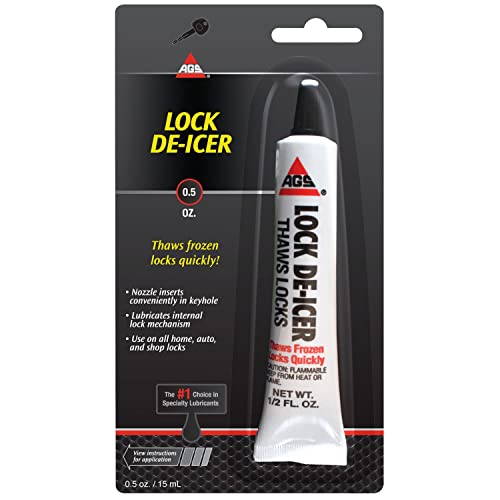
Carry lock de-icer, not in the car
If the fob dies and the lock is frozen, de-icer in your pocket gets you in. De-icer locked in the glovebox doesn’t.
AAA advises trying the locks on your other doors first and not using hot water on a frozen lock. The water can refreeze in the cylinder and make it worse. Use lock de-icer, or warm the metal key in your hand before trying again. The AA also suggests keeping locks lubricated over winter.
If the car is the problem rather than the fob, check the 12V battery. The AA says 12-volt battery problems are the top reason cars break down in cold weather, and a weak car battery can make keyless systems behave oddly. If the car can't see your fob at all, see <a href="https://fobadvisor.com/car-not-detecting-key-fob/">why your car isn’t detecting the key fob</a>.

Key fob care in hot weather
Heat is less dramatic than cold but does more long-term harm. Locksmith chain KeyMe notes that high temperatures can drain key fob batteries faster, warp plastic fob casings and reduce electronic performance. A dashboard, a sunny windowsill or a car parked in summer sun can easily go well past a coin cell's 60°C (140°F) limit.
- Don't leave the fob on the dashboard or in a cupholder in direct sun.
- Don't store spares in a hot glovebox or garage over summer.
- Keep the fob out of hot pockets at the beach; a shaded bag is better.
- Check the case after a heatwave. A warped case can let in dust and water.
Water protection: what to do if your key fob gets wet
Most fobs are water-resistant at best. Rain and a quick splash are usually fine, but a trip through the washing machine, a dunk in the sea or a drop in a puddle can get water onto the circuit board, where it causes short circuits and corrosion. Speed matters more than anything.
If your key fob gets wet
-
Take the battery out immediately
Owners who rescue wet fobs all say the same thing: get the battery out the moment you realise. Power plus water is what does the damage.
-
Open the case
Remove the emergency key, separate the halves and lift out the circuit board if you can.
-
Rinse salt or soapy water away
Salt water and detergent leave residue that corrodes the board. Rinse briefly with distilled water, or clean with 99% isopropyl alcohol, which displaces water and evaporates fast.
-
Dry it gently and thoroughly
Leave it apart somewhere warm and dry, with good airflow, for at least 24–48 hours. Never use a microwave or oven.
-
Check for corrosion
Look for green or white deposits on the contacts. Clean them off with isopropyl alcohol and a soft brush.
-
Fit a fresh battery and test
The old battery may have been damaged by the water. If the fob still fails, a locksmith can test it.
Wet key fob myths
Rice is a slow, weak desiccant and grains can get into small openings. Removing the battery, opening the case and letting it air dry does far more.
Corrosion can develop over days. Open it, clean and dry it anyway.
Typical rubbing alcohol is only about 70% isopropyl and contains more water. Use 99% for electronics.

Long-term storage: how to store a spare key fob
A spare fob that's been in a drawer for three years can fail on the one day you need it. Store it properly and check it now and then.
How to store a spare key fob
Keep it indoors at normal room temperature. Duracell recommends storing CR2032 cells at 5–30°C (41–86°F).
Keep keyless spares away from the car and the front door, ideally in a signal-blocking pouch, so they can’t be used in a relay attack.
Some keyless fobs (Toyota’s, for example) have a mode that stops the key listening for the car, which saves battery and blocks relays.
Press the buttons by the car. If the range is short, replace the battery.
Write the date you fitted the battery on a label in the drawer. A fresh coin cell loses only about 1% a year in storage.
Avoid damp sheds, bathrooms and storing it next to strong magnets or electronics.
Usually no. A fob without a battery can’t be tested quickly when you need it, and a fresh lithium coin cell loses only about 1% of its charge a year in storage. Keep a fresh battery in it, store it cool and dry, and test it every few months.
The key fob care kit
Key fob care and winter kit compared
|
Fresh battery
Energizer CR2032
|
Thaw locks
AGS lock de-icer
|
Prevent freezing
AGS graphite lock spray
|
Clean contacts
99% isopropyl alcohol
|
|
|---|---|---|---|---|
|
|
|
 |
|
|
| Use | Replace before winter | Thaw a frozen lock | Lubricate locks | Clean and dry boards |
| Keep it | At home | In your coat | In the garage | At home |
| Price | – | – | – | – |
| View | View | View | View |
The safe default for most key fobs
Most car key fobs run on a CR2032, and winter is when a tired one gives up. Energizer’s cell is rated to work from -30°C to 60°C (-22°F to 140°F), it’s uncoated so it makes clean contact, and a four-pack covers your main fob, your spare and the next swap. Fit a fresh one before the cold sets in.
- Fits the most common fob size
- Uncoated for clean contact
- Four-pack covers both fobs
- Buy from Amazon itself or a known retailer: fakes exist
- Packaging is fiddly
A pocket-sized tube for frozen door locks
When your fob dies on a frosty morning, the hidden metal key is your way in, but only if the lock isn’t frozen. A small tube of lock de-icer thaws the cylinder and lubricates it at the same time. Keep it in your coat or bag, not in the car.
- Thaws frozen locks fast
- Lubricates as it works
- Small enough for a pocket
- Useless if it’s locked inside the car
- Small tube
Keep lock cylinders from freezing in the first place
A dry graphite lubricant keeps lock cylinders moving freely and helps keep moisture out, so they’re less likely to freeze. A quick spray into the door lock before winter is cheap insurance.
- Dry: doesn’t attract dirt
- Helps stop locks freezing
- Smooths a stiff key
- Can be messy if overused
For cleaning contacts and rescuing a wet fob
High-strength isopropyl alcohol evaporates quickly and leaves no residue, which makes it the right cleaner for battery contacts and circuit boards. Use 99%, not the 70% rubbing alcohol from the medicine cabinet, which contains much more water.
- Evaporates fast, no residue
- Cleans contacts and boards
- Useful around the house
- Flammable: use in a ventilated space
- More than one fob needs
Covers and waterproof cases
A sealed pouch for beach days, boating and swimming
Car fobs are water-resistant at best. If you’re heading to the beach, the lake or a water park, a sealed pouch keeps the fob dry. You can usually press the buttons through the soft material.
- Fully sealed
- Two pouches
- Buttons usable through the pouch
- Bulky for everyday carry
- Check the seal before each use

A stretchy cover for everyday knocks and grime
A flexible skin stretches over most fobs and protects the case and buttons from scratches, grime and drops. It won’t make the fob waterproof, but it keeps dirt out of the seams.
- Fits most fob shapes
- Cheap
- Keeps grime out of seams
- Not waterproof
- Universal fit is looser than a model-specific cover

Snug covers for both fobs
A pair of silicone covers for five-button smart keys. Silicone grips better than bare plastic, cushions drops and protects the buttons. Check the button layout matches your fob before you buy.
- Covers main fob and spare
- Grippy and shock-absorbing
- Low cost
- Check the fit for your fob
- Not waterproof
For more, see best car key fob batteries, how to change a car key fob battery, why a key fob stops working after a battery change and how to replace a key fob shell.
Key fob care FAQ
Does cold weather affect key fobs?
Yes. Cold slows the chemistry inside the battery, lowering its voltage and range. A weak battery may stop working entirely in freezing weather. Warm the fob in your hand and replace the battery before winter.
Can heat damage a key fob?
High heat drains the battery faster and can warp the plastic case. Don’t leave fobs on the dashboard or in a hot car.
What should I do if my key fob gets wet?
Remove the battery immediately, open the case, rinse off salt or soap with distilled water or 99% isopropyl alcohol, and let it dry completely for a day or two before fitting a fresh battery.
Does putting a wet key fob in rice work?
Not well. Removing the battery and letting the opened fob air dry somewhere warm is more effective.
How should I store a spare key fob?
Indoors, cool and dry, away from the car and front door, ideally in a signal-blocking pouch. Test it every few months.
How do I clean a sticky key fob button?
Remove the battery, open the case and clean the button pads and contacts with a cotton swab barely moistened with 99% isopropyl alcohol. Let it dry before reassembling.
The bottom line
- Clean gently, never soak
- Fresh battery before winter
- Battery out fast if wet
- Store spares cool and dry
Key fob care comes down to a few habits: clean it gently, keep it warm in winter and out of the sun in summer, get the battery out fast if it gets wet, and store your spare cool, dry and away from the car. Fit a fresh battery each autumn and carry lock de-icer in your coat, and winter mornings stop being a gamble.